Choosing Snow Boots - Walk Comfortably with Winter Boots
Regular sneakers are not suitable for snowy conditions — not only because of poor traction, but also due to lack of waterproofing and insulation. It’s extremely difficult to walk safely on snow-covered roads wearing standard footwear.
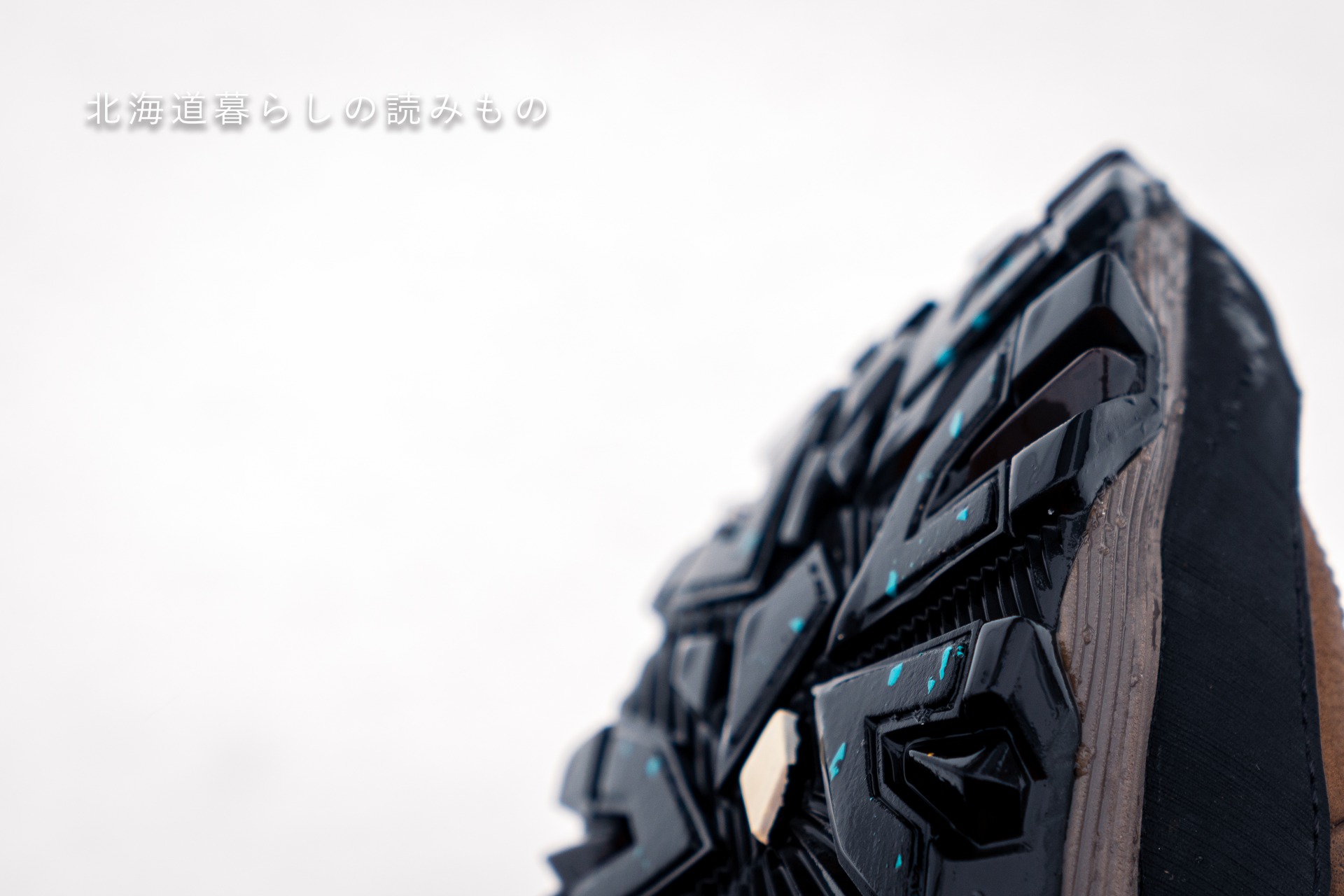
When visiting Hokkaido in winter, we recommend wearing snow boots or winter boots with anti-slip soles (as shown in the photo featuring Vibram Arctic Grip). However, even with anti-slip soles, you can still slip, so always stay alert.
These recommendations are meant for casual walking in central Sapporo — particularly around Odori and Susukino districts, and during the annual Sapporo Snow Festival held every February.
Waterproofing
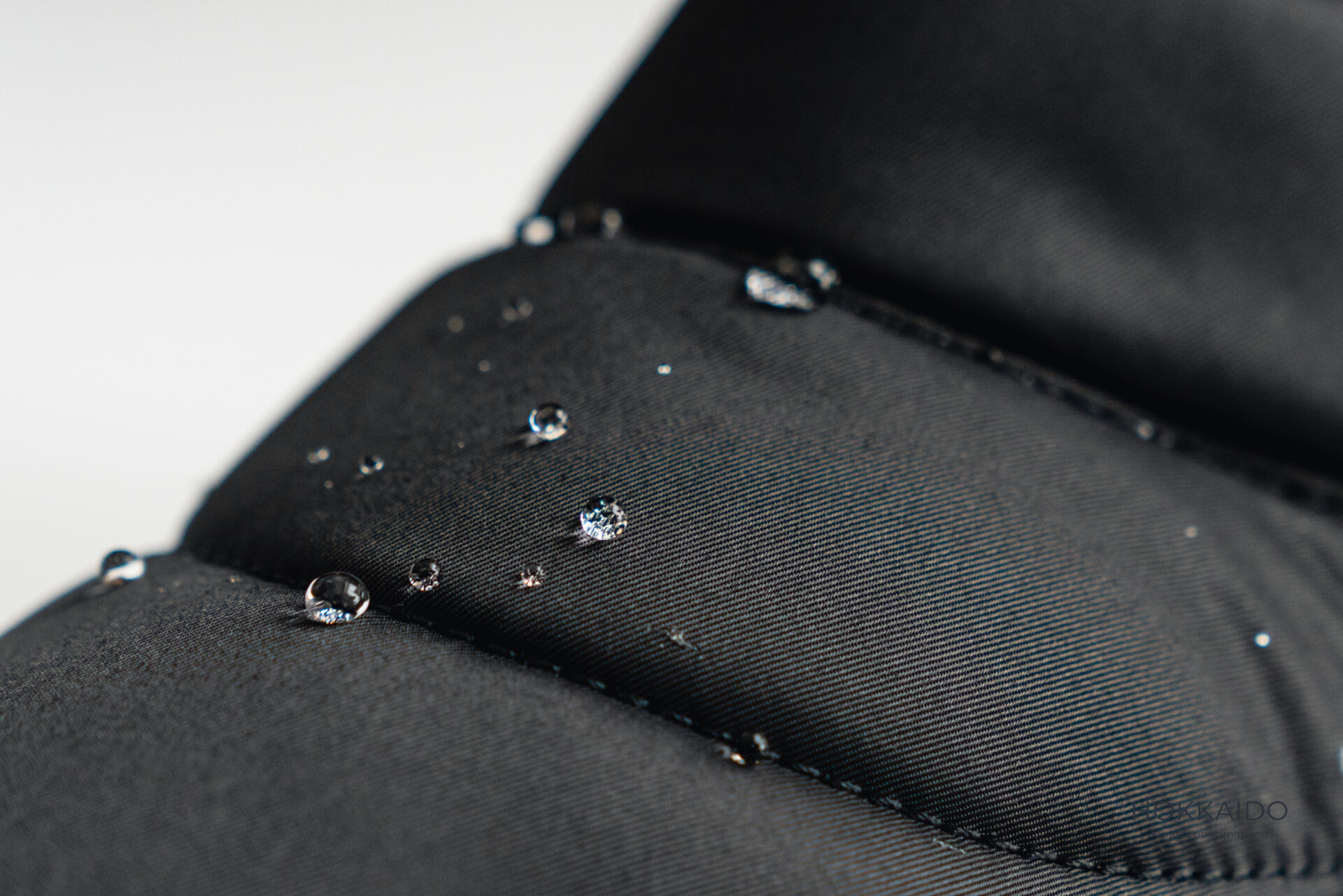
To protect your feet from snow and slush, choose boots made with highly waterproof materials or coatings. Common waterproof materials include Gore-Tex and OutDry. Applying a waterproof spray on top of your boots can further enhance their protection against moisture.
Insulation

Good insulation keeps your feet warm even in freezing temperatures. Look for boots that have insulated insoles and linings, or enough space to wear thick socks. Insulating materials include synthetic options such as Thinsulate and natural materials like sheepskin or wool (mouton).
Slip Resistance
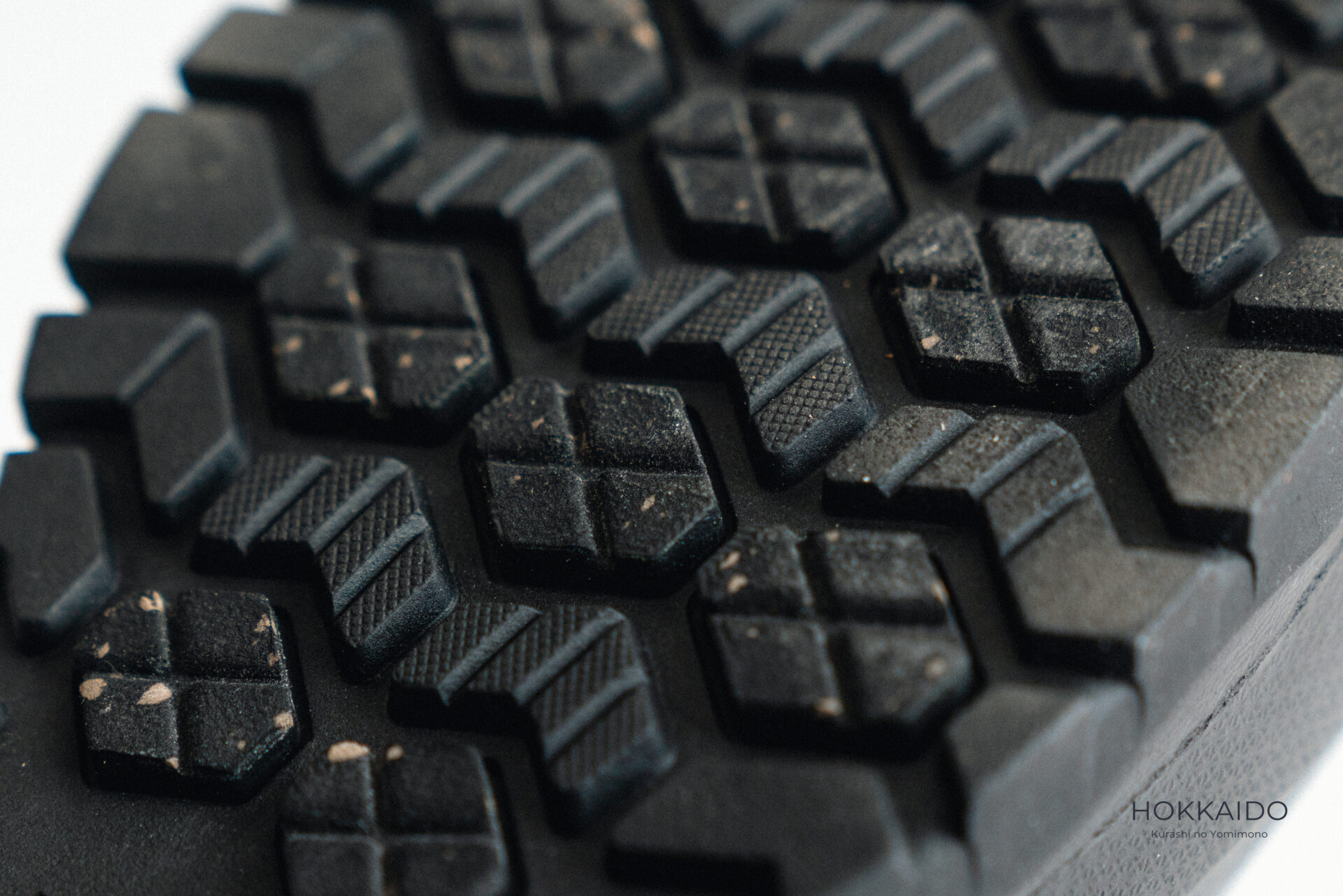
Grip strength is one of the most important features for walking safely on icy surfaces. Choose boots with high-grip outsoles made of rubber or anti-slip compounds. Some soles use Michelin-developed technology similar to studless winter tires, while others have movable studs that adapt to road conditions.
Boot Height
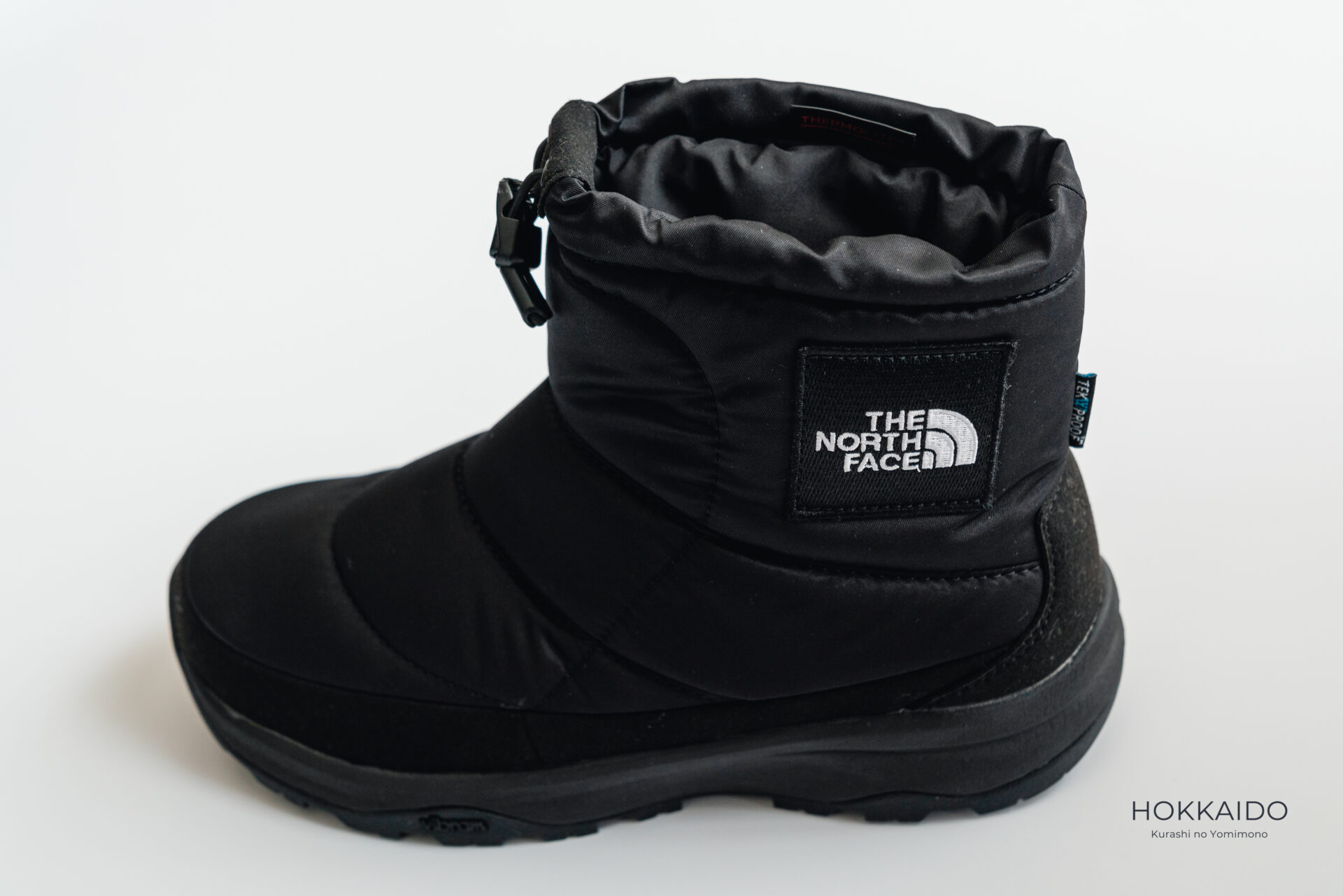
Snow boots come in different heights: ankle-length, mid-calf, and tall-calf. Ankle-length boots are easy to put on and take off, and allow good mobility. Tall-calf boots are best for deep snow and harsh cold, while mid-calf boots offer a balance of protection and comfort for general use.